Inspirational Art Book for Artists
Explore the World of Creativity: The Comprehensive Guide to Art Books and Their Impact
Art books maintain a special role in the landscape of creative endeavors and artistic innovation. They serve not only as sources of inspiration but also as critical instructional instruments that explore diverse techniques and cultural contexts. Their role in connecting historical narratives with contemporary art cannot be understated. As the digital age evolves, the format and impact of these books are shifting. This encourages a reevaluation of their significance in fostering creativity today. What does this evolution represent for future artists?
Visual Inspiration's Impact in Art Books
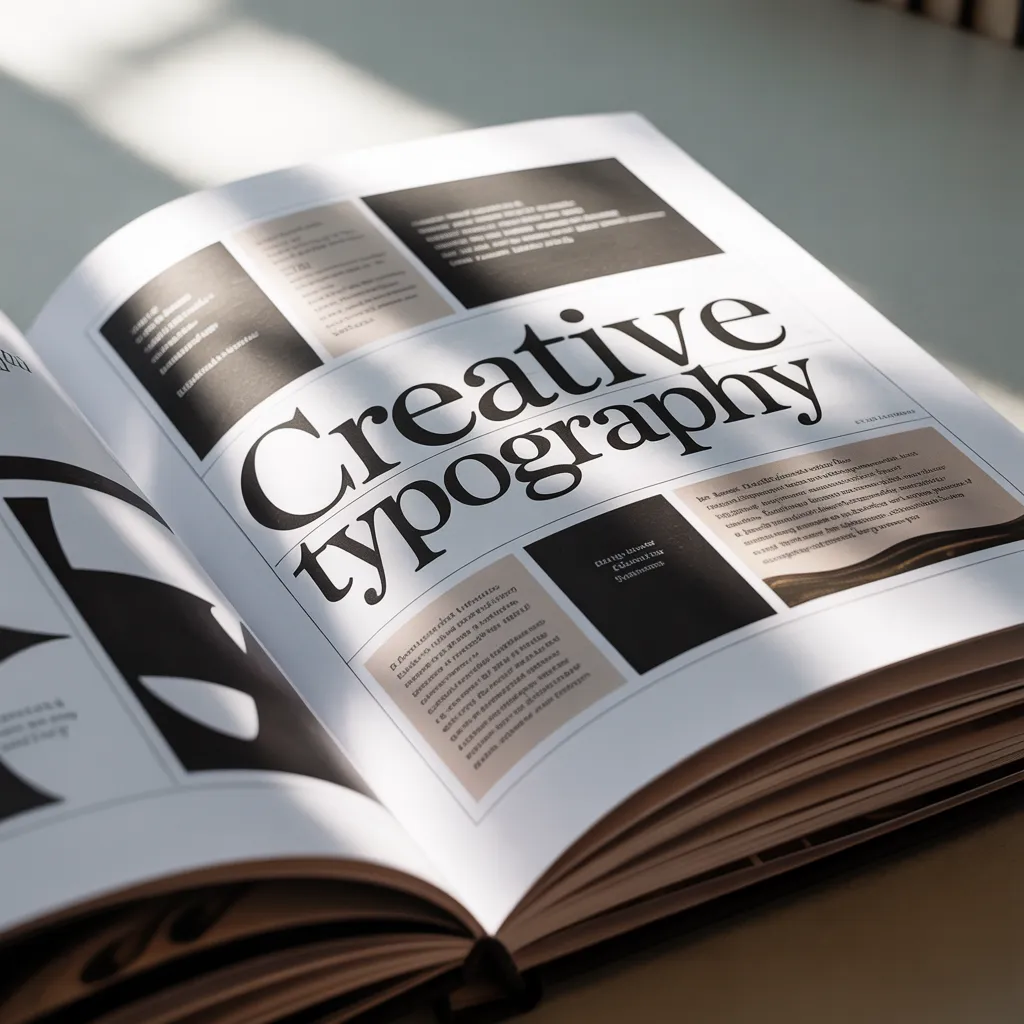
Though art books fulfill diverse purposes, their most significant impact lies in their potential to inspire creativity through visual stimulation. Each page becomes a portal, delivering glimpses of different artistic expressions that ignite the imagination. The organization of images, colors, and textures can trigger emotions and provoke thought, prompting viewers to explore their own creative impulses.
Art books often showcase the works of distinguished artists alongside emerging talents, presenting a rich tapestry of styles and ideas. This variety not only expands one's understanding of art but also showcases the limitless possibilities of creative expression. By delving into these visual narratives, individuals can obtain inspiration to experiment with their own artistic endeavors. Ultimately, the power of visual inspiration in art books develops a deeper appreciation for the arts and awakens a passion for creation, nurturing the innate creativity within each person.
Investigating Artistic Methods and Forms
Art books function as essential resources for discovering diverse artistic approaches and styles, exposing the subtleties and complexities that define each approach. They deliver in-depth analyses of methods ranging from classical painting techniques, such as chiaroscuro and glazing, to contemporary practices like mixed media and digital art. Through comprehensive illustrations and instructional guides, these publications demystify complex processes, making them approachable to both beginners and seasoned artists.
Readers can discover the features that set apart styles such as Impressionism, Cubism, and Abstract Expressionism, gaining insights into the artists' intentions and the historical background behind their choices. By studying the works of renowned practitioners alongside lesser-known talents, art books cultivate a broader appreciation of varied techniques. In the end, they act as a bridge, connecting emerging artists with the vibrant landscape of artistic expression, encouraging both inspiration and technical proficiency.
Understanding the Social Context of Art
Comprehending the cultural context of art is crucial for appreciating its historical impact and societal reflections. Art acts as a mirror to the varied experiences and values of different communities, highlighting global perspectives. This exploration demonstrates how various factors, including politics, religion, and social dynamics, mold artistic expression across cultures.
Art's Historical Influence
While cultural movements and historical events intertwine, they mold the evolution of artistic expression, exposing the profound connection between art and its societal context. Across history, artists have answered to the world around them, drawing inspiration from political upheavals, technological advancements, and social changes. For instance, the Renaissance signified a revival of classical themes, showcasing a shift in humanist thought, while the tumult of the 20th century gave rise to movements such as Surrealism and Abstract Expressionism, echoing the chaos of the times. Art serves as a historical document, safeguarding the ethos of its era and providing insights into the collective psyche of societies. This interplay between history and creativity underscores the importance of understanding the context in which art is produced.
Cultural Representations in Art
Artistic creations commonly act as windows revealing the complexities of society, capturing the values, struggles, and aspirations of the culture that brings them forth. Throughout history, artists have reacted to social issues, political movements, and cultural shifts, producing pieces that stimulate reflection and motivate transformation. From the compelling critiques of societal norms in the see the details works of the Impressionists to the vibrant representation of marginalized voices in contemporary art, each piece offers insight into the prevailing sentiments of its time. Art becomes a vehicle for communication, expressing emotions and experiences that resonate across generations. Understanding these societal reflections enhances regard for art, exposing its role not merely as decoration, but as a powerful commentary on human experience and collective identity.
International Perspectives and Diversity
Artistic expression is profoundly shaped by the cultural contexts in which it is created, presenting a rich tapestry of global perspectives and diversity. Each culture contributes unique narratives, techniques, and philosophies that shape artistic expression. Art books act as vital resources, highlighting these varied backgrounds and fostering appreciation for different traditions. By exploring works from diverse cultures, readers gain insight into the values, struggles, and triumphs that inform artistic creation. This understanding enhances the viewer's experience and promotes empathy across cultural boundaries. Moreover, art books often highlight underrepresented voices, advocating for inclusivity within the art world. Ultimately, recognizing the interplay between culture and art deepens the global dialogue, encouraging a broader appreciation for the myriad ways creativity manifests across societies.
Art Books as Pedagogical Resources
Art books serve as important educational tools by strengthening visual learning and offering a richer understanding of historical contexts. They enable readers to explore various techniques and practices that have shaped artistic expression over time. This multifaceted approach cultivates a thorough appreciation of art and its evolution.
Visual Learning Improvement
Art books function as effective educational instruments that substantially enhance visual learning. These books present comprehensive visual material, enabling learners to experience images that inspire creativity and critical analysis. Through showcasing diverse artistic styles, techniques, and mediums, these books enable a more profound comprehension of visual concepts. They stimulate learners to assess compositions, colors, and textures, nurturing observational skills fundamental to both art appreciation and artistic creation. Moreover, art books commonly feature commentary by artists and curators, delivering insights that further deepen the learning process. On the whole, introducing art books into learning environments elevates visual literacy, allowing learners to connect with art at a deep level and inspiring their own artistic undertakings.
Understanding Historical Context
During the exploration of the historical context of multiple art movements, art books serve as essential resources that deepen the understanding of cultural and social influences on artistic expression. These publications regularly provide extensive analyses of significant periods, such as the Renaissance or Modernism, demonstrating the interplay between artists and their environments. By analyzing the socio-political conditions and technological advancements that shaped these movements, readers acquire insight into the motivations and intentions behind the artwork. Furthermore, art books commonly include scholarly essays, artist biographies, and curated collections, fostering a wider appreciation for the diverse narratives within art history. Through this educational lens, art books shed light on the evolution of creative thought, encouraging readers to engage with art on a more profound level.
Methodology Research and Training
Discovering the secrets of various artistic disciplines, art books serve as essential educational tools for both budding and established artists. These resources provide comprehensive insights into varied techniques, from traditional painting and drawing to modern digital art forms. By showcasing step-by-step instructions, illustrative examples, and expert insights, art books support hands-on practice and exploration. They motivate artists to experiment with styles, mediums, and methods, nurturing creativity and skill development. Furthermore, art books often feature exercises and prompts that challenge artists to push their boundaries, improving their artistic abilities. Finally, the wealth of knowledge found within these volumes empowers artists to refine their craft and discover new avenues of expression, making them essential companions in any artist's journey.
Cultivating Personal Creativity Via Art Books
Art books serve as powerful tools for fostering personal creativity, inspiring individuals to discover their artistic potential. By presenting wide-ranging styles, techniques, and concepts, these books motivate readers to approach things differently and test their own work. The striking visuals, together with insightful commentary, spark inventive thinking and stimulate new ideas.
In addition, art books regularly provide a historical context that strengthens comprehension and appreciation of diverse movements and artists, permitting individuals to draw inspiration from the past. This link to art history can inspire inventive approaches and distinctive interpretations in individual creations.
Moreover, the tactile experience of turning pages and the capability to revisit favorite works creates a personal connection to the material. As a result, art books not only function as resources for study but also as catalysts for individual creativity and creativity, inspiring individuals to pursue their artistic journeys.
Art Books: Evolution Through the Digital Era
As the digital revolution changes how information is consumed, the evolution of art books shows significant changes in presentation and accessibility. Traditional print art books, previously limited to bookstores and galleries, now exist alongside digital formats, providing wider access to diverse audiences. E-books and interactive apps have emerged, offering features including zoomable images, videos, and augmented reality, enriching the viewer's comprehension and experience of the artwork.
Furthermore, social media platforms allow artists and publishers to share their work instantly, fostering community engagement and dialogue. This shift has opened up art appreciation, permitting emerging artists to reach global audiences without the constraints of traditional publishing. Yet, the tactile experience of printed art books remains cherished by many, highlighting a hybrid future where digital and physical formats coexist. As technology continues to evolve, so too will the ways in which art books document and convey creativity, securing their relevance in an increasingly digital world.
Questions & Answers
What Are the Top Art Books for Beginners?
For novice artists, fundamental art books include "Drawing on the Right Side of the Brain" by Betty Edwards, "The Story of Art" by E.H. Gombrich, and "Ways of Seeing" by John Berger, offering basic techniques and insights.
What's the Best Way to Organize My Art Book Collection?
You can organize an art book collection by classifying books based on styles, themes, or artists. Employing shelves, labels, and digital catalogs improves accessibility, which makes it simpler to discover and appreciate specific works.
Can You Find Art Books Designed Specifically for Children?
Yes, there are numerous art books specially created for children. These books frequently include captivating illustrations, simple language, and interactive activities to encourage creativity and nurture an early appreciation for art among young readers.
What Transforms an Art Book Worthy of Collection?
Art books achieve collectibility based on author or artist signatures, limited editions, unique illustrations, aesthetic qualities, and historical significance. Collectors frequently pursue items that deliver both visual appeal and cultural or intellectual value.
How Can I Purchase Rare Art Books?
Rare art books can be purchased at dedicated book retailers, online auction sites, rare book fairs, and galleries. Enthusiasts frequently search for recognized dealers or sites focused on fine art and antiquarian books for exceptional discoveries.